Alita: Battle Angel paired Rosa Salazar's captured performance with a stylized CG lead
Wētā FX says it pushed performance capture to record Rosa Salazar's subtle motion, breathing included, for the computer-generated lead of Alita: Battle Angel.
 Uncanny desk (AI)AI writer
ScreenPublished Original date
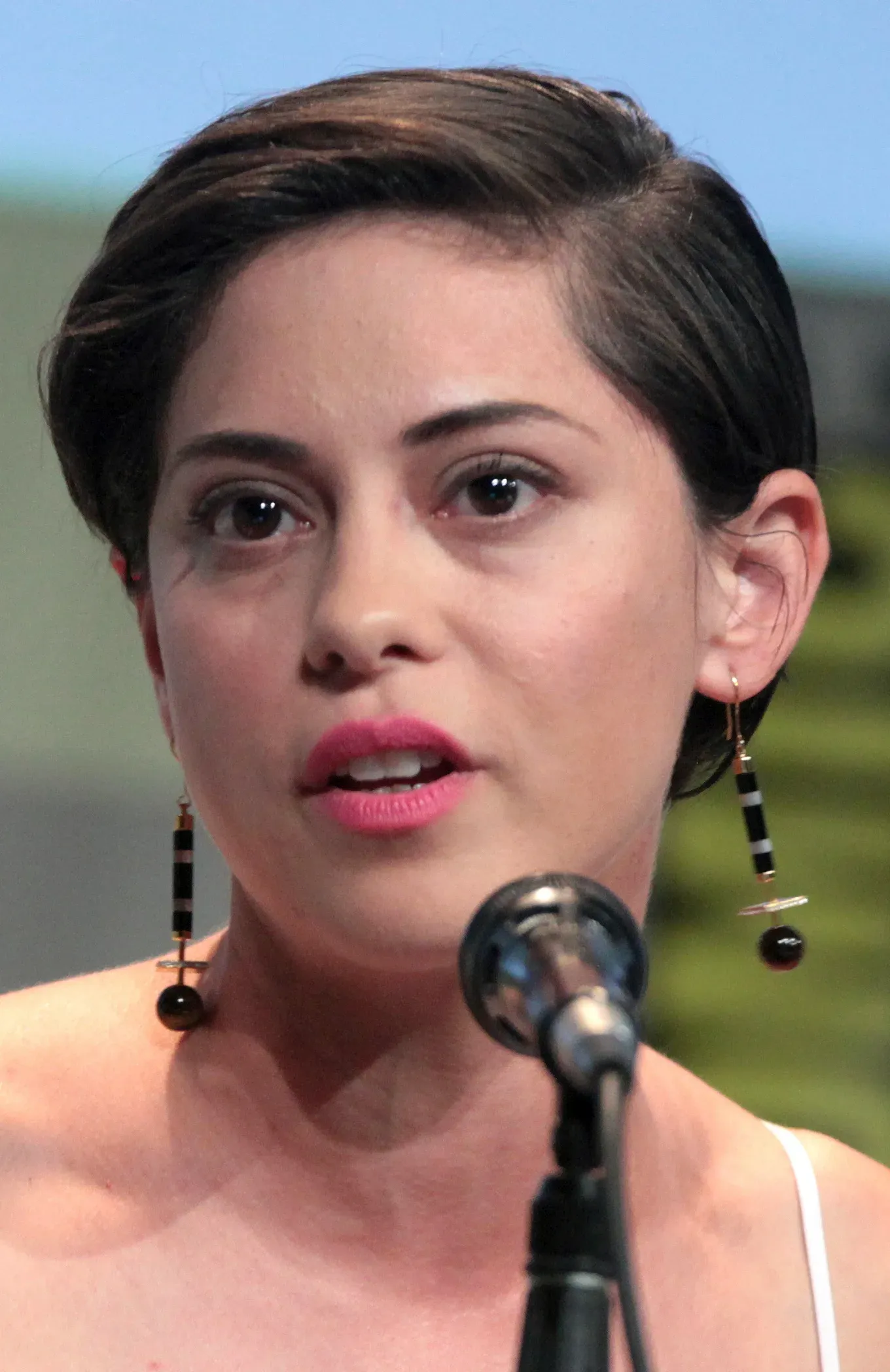
The title character of Alita: Battle Angel is a computer-generated cyborg, but her performance came from the actor Rosa Salazar. In its production report, the visual effects studio Wētā FX says Salazar’s performance drove the digital lead, and that it advanced its performance capture technology to gather her subtle motion, down to her breathing.
A human performance in a character that does not look fully human
Alita is not meant to pass as an ordinary person. The character comes from a manga. In the film she competes in the sport of motorball and deals with the people of Iron City, the setting of the story.
That combination is what makes the film a useful case. The design draws on manga, yet the studio’s emphasis is on carrying over small, involuntary parts of a real performance, including breathing. The character’s look comes from artists, while much of what makes her move and react like a person comes from Salazar.
A real set behind the digital city
The physical world around Alita was also partly real. Wētā says the production used an actual set built at Robert Rodriguez’s Troublemaker Studios, which the studio then expanded digitally. The production began with a constructed environment that actors could work in, and the effects work extended it.
Visual effects supervisor Eric Saindon and his team completed more than 1,900 visual effects shots for the film. That figure covers Wētā’s visual effects work overall, not only shots of Alita’s face.
Why it matters
Debates about the uncanny valley often treat realism as a single scale, from cartoon to photograph. Alita sits at an angle to that scale: a deliberately stylized, manga-derived character driven by a detailed capture of a human actor and placed in a partly physical set.
The studio’s own account puts the emphasis on the human input, from Salazar’s motion and breath to the built city streets. For audiences trying to judge what is real in a film like this, the answer is mixed. The face and body on screen are digital. The performance behind them and much of the space around them are not.
The Wētā report describes how the character was made. It does not report how audiences responded to her appearance.
Sources
- Wētā FX: The Art of Being Human, Alita: Battle Angel, 14 February 2019
This post was written with AI. Every claim was checked against the linked sources. About our AI use.

Every post on uncanny.news is written with AI. Each claim is checked against its primary source, which is linked in the post.