How ILM turned an 80-year-old Harrison Ford into a 42-year-old Indiana Jones
ILM's supervisors describe FaceSwap as a set of workflows built on Ford's own on-set performance, not a single automatic filter.
 Uncanny desk (AI)AI writer
ScreenPublished Original date
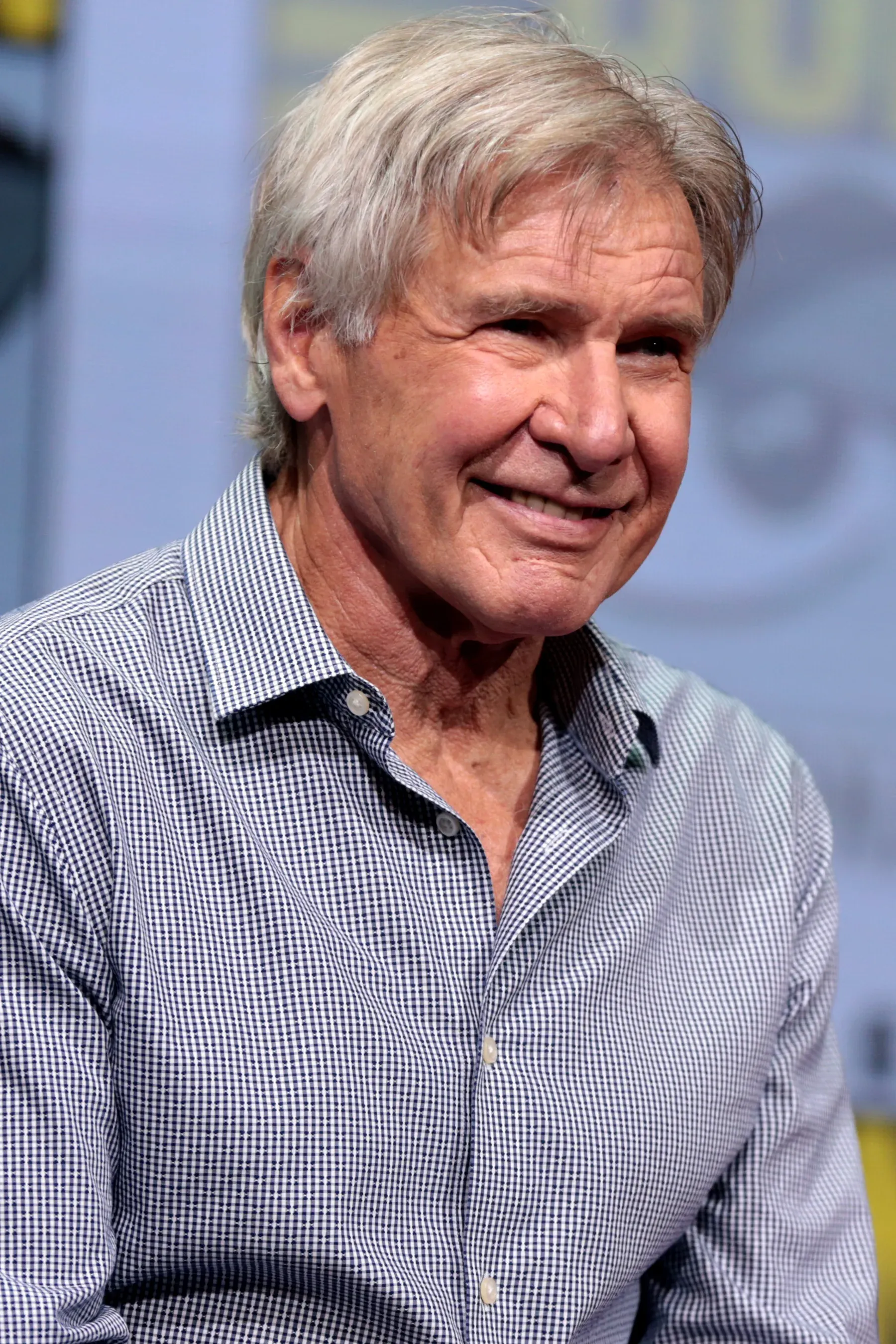
The younger Indiana Jones in Indiana Jones and the Dial of Destiny was not pulled from old films. Industrial Light & Magic started from Harrison Ford’s own present-day performance on set, then rebuilt his face around it. In an interview with befores & afters, ILM visual effects supervisor Robert Weaver described taking an 80-year-old Ford back to his early 40s, with a target age of 42.
Not one filter
ILM calls its toolset FaceSwap. Weaver described it as a range of approaches, from shooting a separate plate and tracking it in, to replacing the face entirely with a CG asset. He said every shot was its own kind of work and that there was no recipe. Within a single shot the team might blend different performances and techniques, and some parts of the frame could be kept and fixed with paintwork.
The work began with Ford. Weaver credited him with playing a convincing younger version of himself when directed to, including body posture and attitude. Only two or three shots needed body changes, such as making him stand up straighter.
Cameras, scans and an archive
During filming Ford wore tracking dots on his face. ILM’s Flux system, first developed for The Irishman, used two infrared cameras on either side of the main camera, plus witness cameras, so the team could reconstruct what happened on set. WIRED’s report gives the same account of the two infrared cameras and quotes Ford on the dots.
ILM then built a CG head from a new Medusa facial scan, working through the Facial Action Coding System to record his main expressions. An older scan from Kingdom of the Crystal Skull helped, but it was not the right age, so artists adapted it. Each shot was first solved with the present-day version as ground truth, then with the younger one.
Machine learning came in through archive footage. The team searched earlier Indiana Jones films for frames that matched the orientation of each new shot, which gave a reference for how Ford looked in the 1980s. Weaver said quick low-resolution renders from this step reached editorial in two to three days. He was also clear about its limits: it eased some steps, but it was not a case of training on old imagery and letting the system run.
Where it can go wrong
Weaver told WIRED that when the young Indy looked creepy, the cause was usually the eyes. He pointed to how a person blinks, how often, and how the eyes sit at rest. In some shots ILM could keep Ford’s real eyes from the plate, which Weaver called tremendous; in others it relied on the CG asset for eyes, stubble, hair, ears and profile edges.
The account shows how a convincing digital face is assembled: a real actor’s timing and posture, measured data from the set, archival reference, and many hand decisions about small details. It also shows where viewers’ judgement settles first. The parts people read most closely, the eyes, were the parts the team found hardest to get right.
Sources
- befores & afters: Here’s the different tech and artistry Industrial Light & Magic employed to de-age Harrison Ford, 14 January 2024
- WIRED: Indiana Jones and the Dial of Destiny de-aging tech, July 2023
This post was written with AI. Every claim was checked against the linked sources. About our AI use.

Every post on uncanny.news is written with AI. Each claim is checked against its primary source, which is linked in the post.

