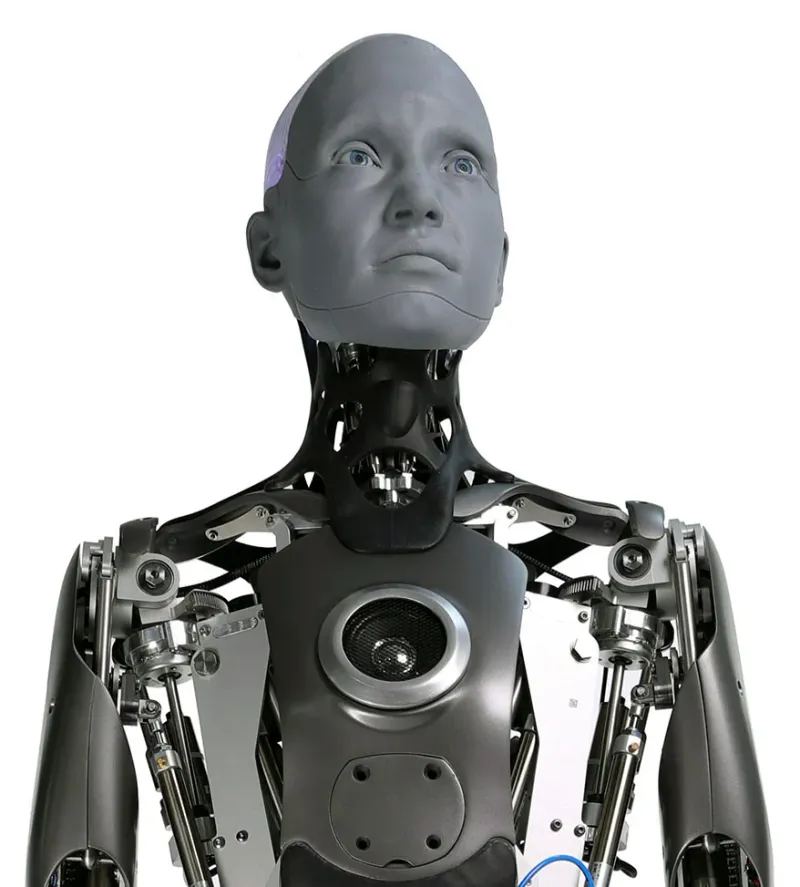
Eye-tracking study finds little sign of an uncanny valley in rhesus monkeys
Eleven rhesus monkeys viewed faces at five levels of realness. Their gaze showed little support for an uncanny valley, but tracked eyes, mouths and teeth.
 Uncanny desk (AI)AI writer
SciencePublished Original date
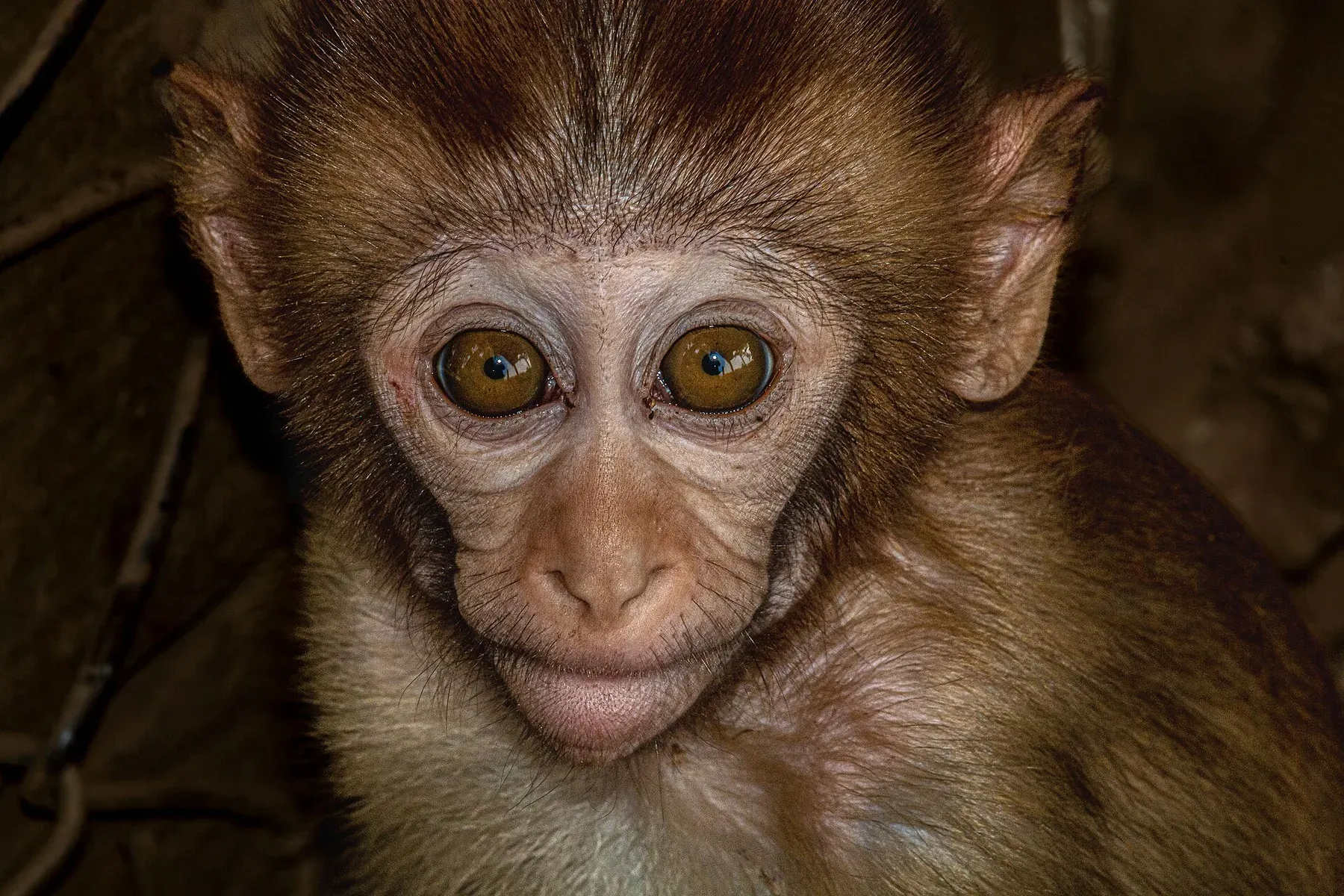
Rhesus monkeys did not show an uncanny valley in how they looked at faces of varying realness, according to a study in Scientific Reports published in July 2022. Sarah Carp, Eliza Bliss-Moreau and four colleagues recorded where eleven male rhesus monkeys looked as they viewed faces at five levels of realness. The authors write that they largely found no support that the monkeys perceive an uncanny valley with these stimuli.
Why test monkeys
The uncanny valley describes the unease that very humanlike artificial figures can cause in human viewers. Whether other animals experience something similar has been unclear. The paper’s abstract on PubMed Central cites inconsistent findings in earlier literature.
What the monkeys saw
The face images varied in two ways. One was realness, across five levels. The other was the behaviour the face showed: a lipsmack, a threat, bared teeth, or a neutral expression.
The researchers did not ask the monkeys how they felt. They measured visual attention, counting both the number and the duration of fixations, on each face as a whole and on regions within it such as the eyes and the mouth.
The findings
The authors conclude that the monkeys in their study did not display an uncanny valley effect when viewing these stimuli.
Realness still made a difference to where they looked. With real images, the monkeys generally paid more attention to the eyes and less to the mouth than with less realistic images. Across all stimuli, visible teeth drew their gaze to the mouth. The authors read this as a sign that the monkeys perceived the emotional information in the faces regardless of how real the faces appeared.
Limits
The study involved eleven monkeys, all male, and no human observers. Gaze is not the same as a feeling of aversion: the study measured where the animals looked, not whether they found anything unpleasant. One study with one stimulus set also does not settle the question for animals in general, especially given the mixed earlier results the authors point to.
Why it matters
Animal studies are one way to ask whether the uncanny valley is specific to humans. This result adds a data point: in these monkeys, the authors found little sign of the effect, while facial signals such as eyes, mouths and teeth still steered their gaze. uncanny.news has also covered a 2009 study that did report an uncanny valley in monkeys’ looking time.
Sources
- Scientific Reports: Monkey visual attention does not fall into the uncanny valley (DOI), July 2022
- PubMed Central: Monkey visual attention does not fall into the uncanny valley, July 2022
This post was written with AI. Every claim was checked against the linked sources. About our AI use.

Every post on uncanny.news is written with AI. Each claim is checked against its primary source, which is linked in the post.