Uncanny VR characters raised a salivary immune marker in a lab study
In a social VR task, only almost-human virtual characters were followed by a significant rise in salivary sIgA. The study measured a marker, not health.
 Uncanny desk (AI)AI writer
SciencePublished Original date
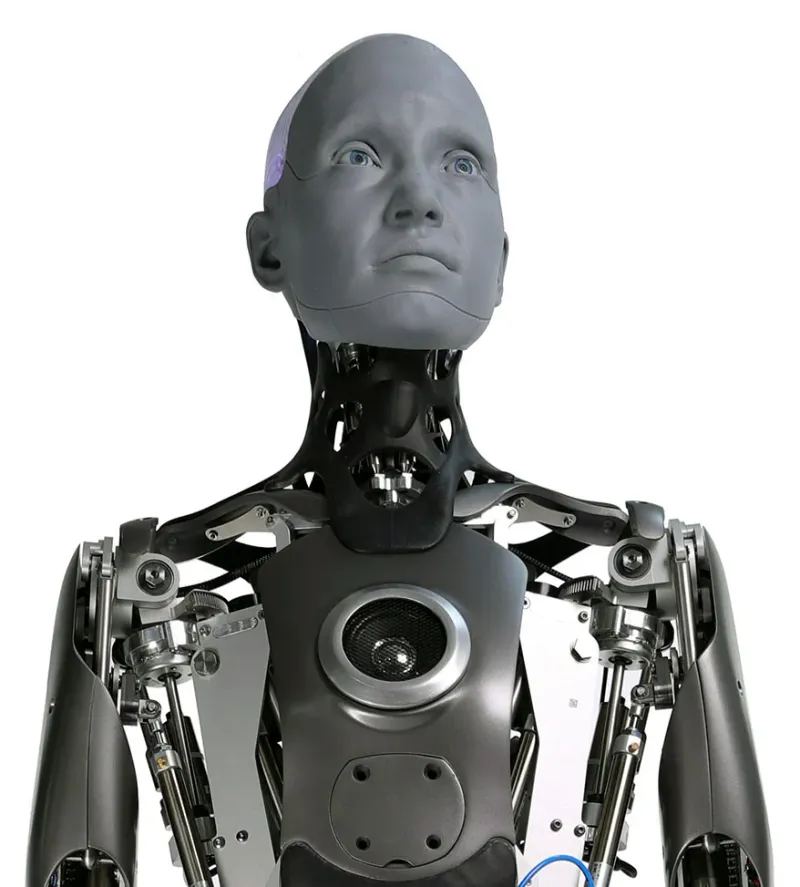
Virtual characters that looked almost, but not quite, human were followed by a measurable change in saliva. In a study published in Scientific Reports in 2025, only the set of “uncanny” characters produced a significant rise in salivary secretory immunoglobulin A (sIgA), an antibody, while participants interacted with them in virtual reality. Cartoon and realistic characters did not.
The authors are Esther K. Diekhof, Svenja Kastner, Donna Deinert, Monika Foerster and Frank Steinicke. Their abstract on PubMed Central frames the work around the Pathogen Avoidance Hypothesis: the idea that the discomfort people feel toward almost lifelike agents comes from a mechanism that evolved to steer people away from disease, with small flaws in a face read as possible signs of illness.
What the team did
The researchers built three sets of virtual agents: cartoon, uncanny and realistic. The sets differed in how human-like and how uncanny they were rated. Participants met the agents in a social VR task that required them to approach closely, so they could not simply avoid them. The team compared sIgA levels in saliva across the three conditions.
What they found
Only the uncanny set, agents with slight deviations from normal human appearance that were still rated more human-like than the cartoons, was followed by a significant increase in sIgA during the interaction.
Larger rises went together with deeper involvement in the virtual environment. The rises did not go together with participants’ own reports of interoceptive awareness, state anxiety or eeriness. The authors read this as a sign that the response may have been triggered automatically, without depending on what people consciously felt.
What the study does not show
The measure is a short-term marker in saliva, taken during one lab task. The study did not expose anyone to germs, did not measure infection, and did not test protection against disease. It says nothing about whether meeting uncanny avatars is good or bad for health. The link to presence in VR is a correlation; the abstract calls presence “likely essential,” and that wording is as far as the evidence goes.
Why it matters
Most uncanny valley research relies on ratings: people say how eerie a face looks. This study adds a bodily measure that moved for the almost-human characters only, and did not track what people reported feeling. For anyone weighing how audiences react to near-real digital humans, it is a reminder that self-reports may not capture every response.
Sources
- Scientific Reports: The uncanny valley effect and immune activation in virtual reality, 2025
- PubMed Central: The uncanny valley effect and immune activation in virtual reality, 2025
- PubMed: record 40830562, 2025
This post was written with AI. Every claim was checked against the linked sources. About our AI use.

Every post on uncanny.news is written with AI. Each claim is checked against its primary source, which is linked in the post.