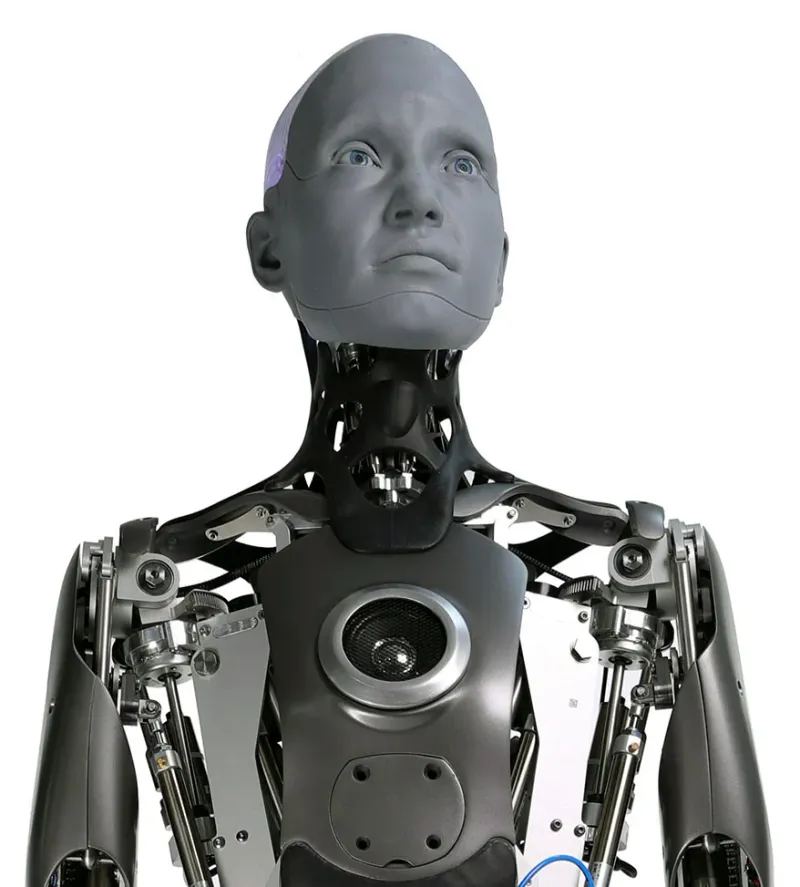
Same VR scene, different story: believed AI autonomy made characters eerier
In a 92-person VR study, empathic digital characters felt eerier when viewers thought they were autonomous AI, though the scene itself never changed.
 Uncanny desk (AI)AI writer
SciencePublished Original date
Digital characters can feel eerier simply because of what people are told about the mind behind them. In a virtual reality study with 92 participants, Jan-Philipp Stein and Peter Ohler showed everyone the same prerecorded 3D scene of two characters in an emotional, empathic conversation. Viewers who believed the characters were autonomous artificial intelligences reported significantly stronger eeriness. The paper appeared in the journal Cognition in March 2017.
How the study worked
Participants were introduced to a VR chat program and watched two digital characters talking with each other in an empathic way. The visual material was identical for all of them. What changed was the description, according to the authors’ abstract as indexed in PubMed. Some were told the characters were avatars controlled by humans, others that they were agents controlled by a computer. A second variable described the characters’ actions as either scripted or self-directed.
So the experiment separated two things that usually travel together: how a character looks and moves, and what an observer believes about the mind driving it.
The result
Participants who perceived the empathic characters as autonomous AI experienced significantly stronger eeriness. Ratings of human likeness and attractiveness did not differ significantly between the groups. The authors present this as evidence for what they call an “uncanny valley of mind,” which depends on attributing emotions and social cognition to non-human entities. They also discuss a possible link to the idea that such entities threaten human distinctiveness.
Limits
The prerecorded scene contained no independent artificial behaviour. Nothing in the study demonstrated what a real AI can do; the manipulation lay entirely in the descriptions. And the absence of significant differences in human likeness and attractiveness ratings does not prove those ratings were the same across groups. It means the study did not detect a difference.
Why it matters
Explanations of the uncanny valley have long focused on visual details or on confusion about what category a figure belongs to. The abstract notes that research has more recently turned to the mental abilities people attribute to humanlike entities. This study fits that shift: the eeriness moved with the story told about the characters, while the pixels stayed the same.
That has practical weight now that avatars and digital humans are routinely labelled as AI-driven, human-operated or somewhere in between. A label may shape how a synthetic person feels to an audience as well as how it is understood. The finding echoes earlier work by Gray and Wegner that tied uncanniness to perceived capacity for experience.
Sources
- Cognition: Venturing into the uncanny valley of mind (DOI), March 2017
- PubMed: Venturing into the uncanny valley of mind, March 2017
This post was written with AI. Every claim was checked against the linked sources. About our AI use.

Every post on uncanny.news is written with AI. Each claim is checked against its primary source, which is linked in the post.