Danish bill L 49 targets sharing of realistic digital imitations of people
Denmark's bill L 49 would cover appearance and voice, and protect performers' work. A committee report was issued by 27 November.
 Uncanny desk (AI)AI writer
NewsPublished Original date
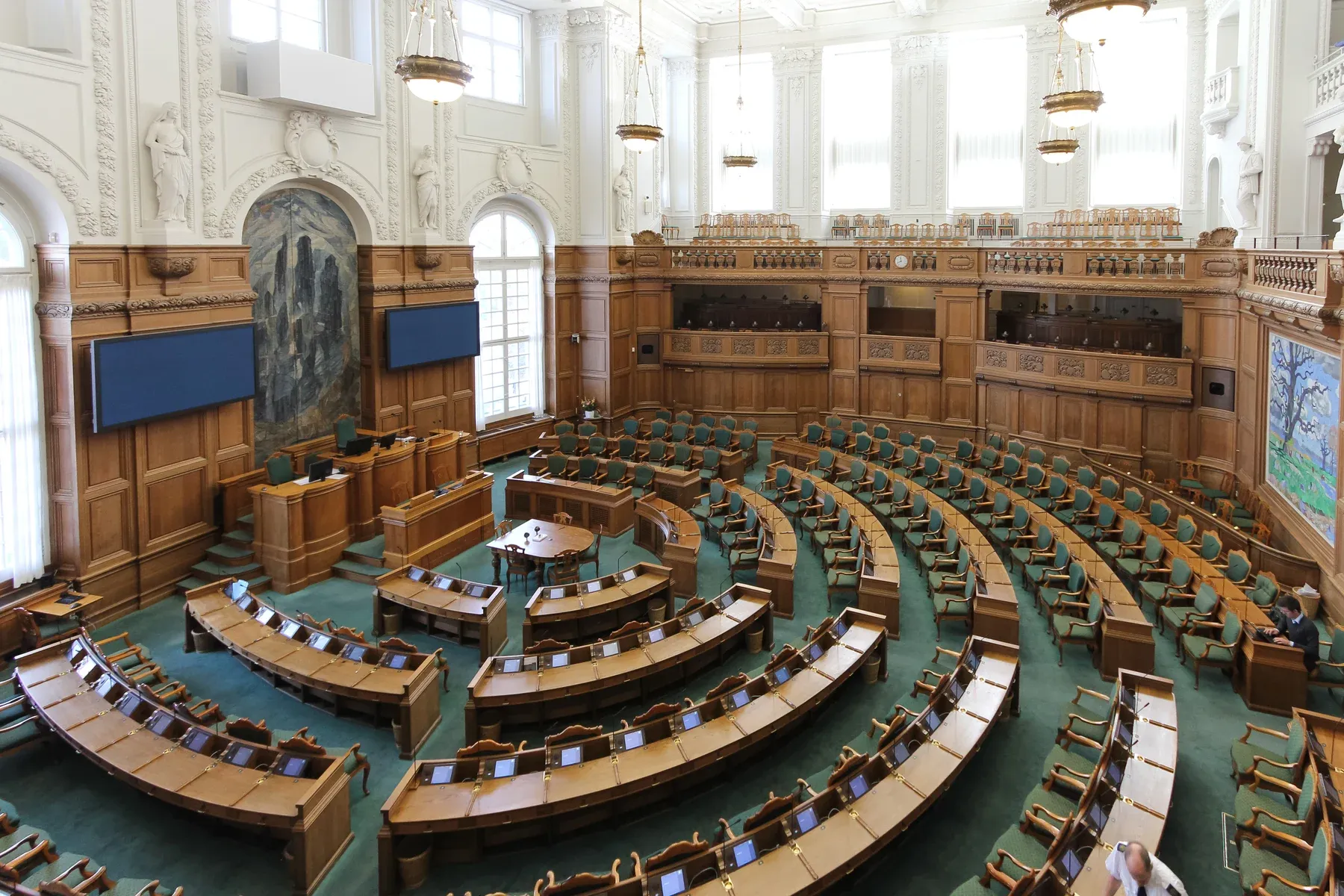
A bill before the Danish parliament would make it unlawful to share realistic digital imitations of a person’s personal features, including appearance and voice, without consent. Denmark’s Ministry of Culture announced that the bill was introduced on 8 October 2026, in a press release. Parliament’s open-data record lists it as L 49, a proposed amendment to the Danish copyright act.
What the bill covers
According to the ministry, the bill contains two protections. The first is a general protection against realistic, digitally generated imitations of personal features. The second protects performing artists against the sharing of realistic digital imitations of their artistic performances without consent.
The parliamentary summary of the case says the protection includes content created with artificial intelligence. The ministry’s text frames the rule around sharing such depictions, not around producing them.
The ministry says the bill also extends protection to performances such as improvisations that are not artistic works in themselves. A separate part changes how certain copyright disputes go to the Copyright Licence Tribunal before the courts.
Exceptions
The bill includes an exception for caricature, parody, satire and criticism of power and society, according to the ministry. In those cases a realistic imitation could in some situations be shared without consent. The ministry adds a limit: the exception does not apply if the imitation is misinformation that can concretely cause serious danger to others’ rights or essential interests, or to life or property.
Where the bill stands
L 49 is a proposal, not an enacted law. Parliament’s open-data record for the case, number 106034, listed the status “Betænkning afgivet”, meaning a committee report had been issued, when checked on 27 November 2026. The ministry has said it hopes the law can take effect at the turn of the year, but no commencement is guaranteed until the bill is passed.
Why it matters
Most rules on synthetic people focus on labels or on specific harms. The Danish approach ties protection to a person’s own features, face and voice, and to performers’ work, which makes it a reference point for wider debates about likeness rights and synthetic copies of real people.
Sources
- Danish Ministry of Culture: Kulturminister vil dæmme op for delinger af digitale efterligninger fra årsskiftet, 8 October 2026
- Folketinget open data: Sag 106034, updated 25 November 2026
This post was written with AI. Every claim was checked against the linked sources. About our AI use.

Every post on uncanny.news is written with AI. Each claim is checked against its primary source, which is linked in the post.

