Reuters: fashion shoot contracts ask models to accept AI face swaps and training
Unsigned contracts seen by Reuters ask models to allow AI face swaps, digital clones and AI training, sometimes without extra pay.

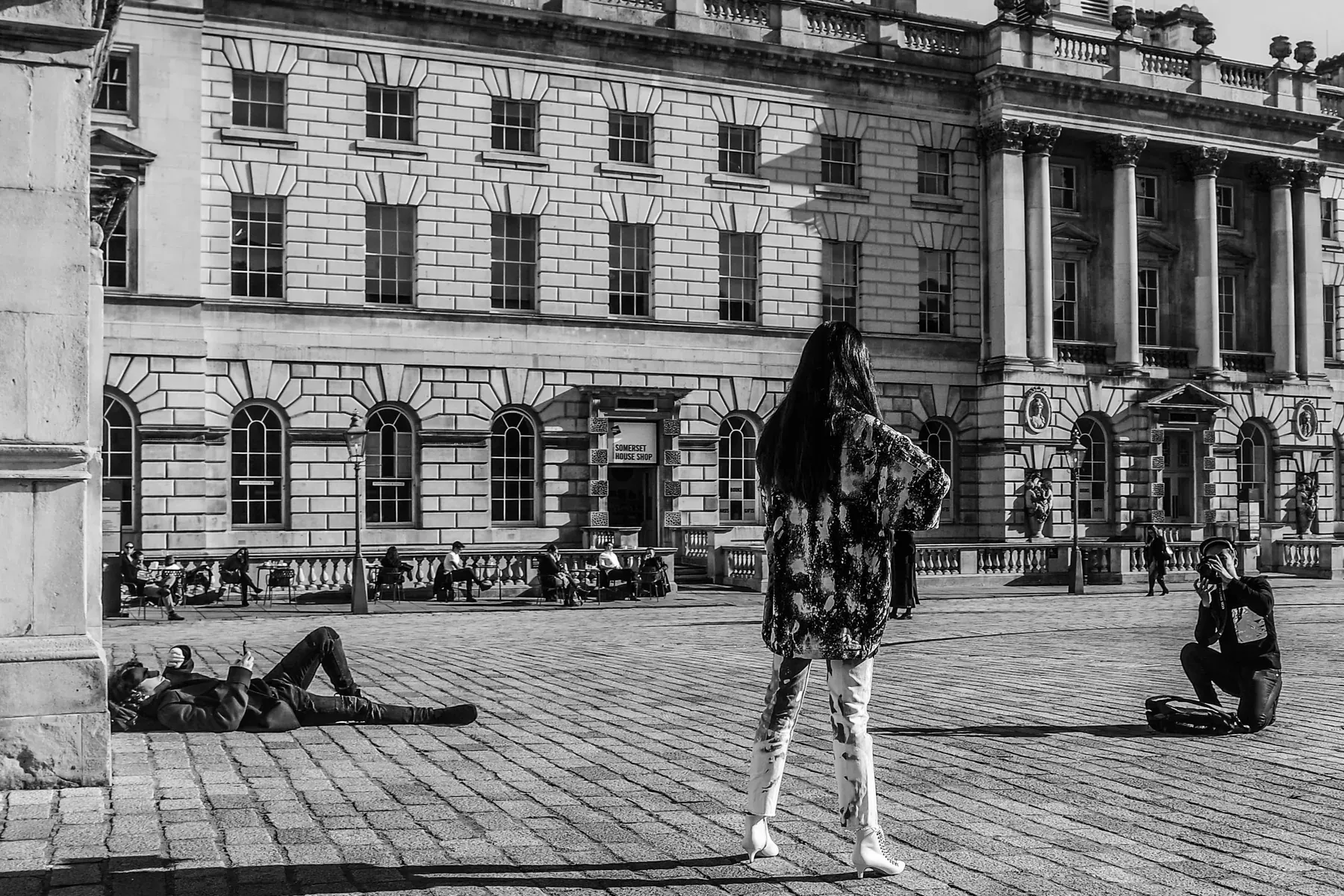
Photo-shoot contracts from fashion and beauty brands now ask models to let their faces and bodies be altered, swapped or cloned with AI, according to a Reuters investigation republished by Inside Retail Asia on 28 October 2026. Reuters interviewed 15 model-agency directors and reviewed more than a dozen confidential, unsigned contracts in which brands including Diesel, Calvin Klein and L’Oréal set out proposed terms for AI alterations and future use of the images.
What the contracts ask for
The requests reported by Reuters included the right to swap one model’s face with another’s using AI, the creation of a digital clone with no additional compensation, and the right to use images of a model’s body to train AI.
In a casting sheet, Italian brand Diesel asked models to agree to AI alteration or reconstruction of their facial features and body proportions, to the “swapping of faces among the participating models,” and to having their face placed onto another person’s body. Diesel’s parent company OTB told Reuters the release was drafted for a specific campaign, is not representative of its typical agreements, and that it does not systematically modify models with AI.
A Calvin Klein draft contract asked the model to accept, for no extra pay, that the brand may use images of the model with no identifying features, such as the face, scars or tattoos, to train and fine-tune AI tools. A Calvin Klein spokesperson said in a statement that the brand is testing and learning in this area and that its AI use is guided by regulation, industry standards and respect for models’ rights.
The skincare brand Reale Actives asked for rights to create AI replicas of models and to own and use them for a year without further compensation. The brand said it uses real models, has not replicated any model with AI, and that the wording came from a partner production company. L’Oréal, without addressing that contract language, said it uses standard AI tools in post-production and editing that do not affect the model’s image.
Many contracts use open-ended wording that could give a brand leeway to use AI however it wants. Melanie Howard of Loeb & Loeb said such sweeping language “is dangerous in its ambiguity.”
Why it matters
The contracts show where the line between a photographed person and a synthetic one is drawn: in fine print, before the shoot. A model’s face can end up on another body, and a body can become training data for systems that produce models who never existed. London-based model Adot Gak told Reuters the scariest part is that “people cannot differentiate between a real model and an AI model.”
Some retailers already use synthetic models at scale. Reuters reports that Zalando shut both its Berlin photo studios last year, and that About You’s Scayle Studios, which makes imagery with AI-generated models, promises a production-cost reduction of more than 90 per cent.
Rules are thin. Reuters names the New York State Fashion Workers Act as an exception: since June 2025 it has been illegal there for brands to create or modify replicas of models without their explicit consent. The British Fashion Model Agents Association has an AI code of practice under which AI may only be used with a model’s consent and the model owns any digital twin, but its head, John Horner, said that without binding rules in Britain or Europe models remain at risk.
Sources
- Inside Retail Asia (Reuters, Helen Reid): The new frontier of AI-generated fashion models, 28 October 2026
This post was written with AI. Every claim was checked against the linked sources. About our AI use.

Every post on uncanny.news is written with AI. Each claim is checked against its primary source, which is linked in the post.