Guess ad with AI-generated models in Vogue's August 2025 issue draws reader backlash
A Guess ad in the August 2025 issue of Vogue used two AI-generated models. The small-print label set off criticism on TikTok.

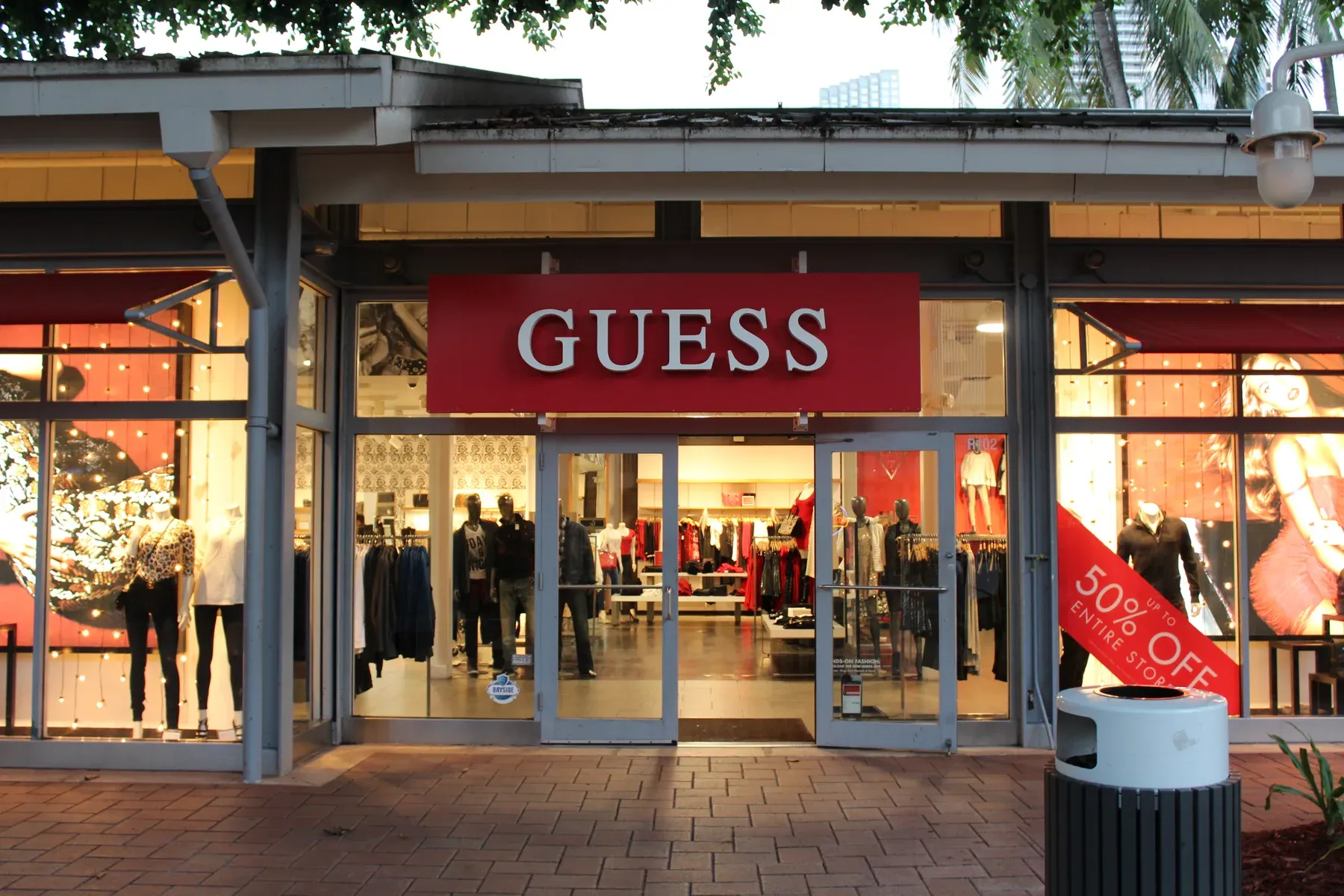
An advertisement for the clothing company Guess in the August 2025 issue of American Vogue featured models generated with artificial intelligence, and the discovery set off a wave of criticism on social media. According to CNN, the page revealed only “in small print” that the model was created using AI.
Who made the models
The images came from Seraphinne Vallora, which Good Morning America describes as a London-based AI marketing agency. It created two AI “models” for the campaign, a blonde called Vivienne and a brunette called Anastasia.
The agency’s co-founders, Valentina Gonzalez and Andreea Petrescu, told CNN that Guess co-founder Paul Marciano approached them. Gonzalez said a real model was photographed in the studio in Guess clothing over the course of a week, to inform how the clothes would look on the AI model. “We needed to see what poses would flatter the product most, and how it looked on a real woman,” she said.
The reaction
CNN reported that a TikTok video by the user @lala4an about the Guess ad was viewed more than 2.7 million times, and that several people called for a boycott of Guess and Vogue. Good Morning America described TikTok videos in which creators called the models fake women, said the ad did not make them want to buy anything, and warned that real models and photographers would lose work.
Vogue itself drew a line between advertising and editorial content. A Condé Nast spokesperson confirmed to CNN that an AI model has never appeared in Vogue’s editorial pages. Guess did not respond to CNN’s request for comment, and ABC News said it had not immediately received a response from Vogue or Guess.
The founders rejected the idea that they want to replace the modelling industry. “We are here to co-exist together,” Gonzalez told Good Morning America. Petrescu said the work was meant “to just supplement and to add, you know, a new avenue of marketing.”
Why it matters
Much of the criticism centred on what readers learned only from a small label: that the woman on the page did not exist. Critics also raised the question of beauty standards. Psychologist Nicole Hawkins told Good Morning America that repeated exposure makes such images seem normal, so that people idealise images of women who do not exist and then feel inadequate by comparison.
Disclosure is not always required. Michael Musandu, founder of the AI model studio Lalaland.ai, said the use of AI models in fashion is more widespread than many people realise, and that brands of all sizes are not disclosing it because there is no legal obligation to do so, CNN reported. For readers, that means a label in an ad may be the only signal they get, and in this case it was easy to miss.
Sources
- Good Morning America (ABC News): Guess ad in Vogue magazine sparks controversy with its models, 1 August 2025
- CNN (via ABC 17 News): Your favorite model? Thanks to AI, they might not be real, 31 July 2025
This post was written with AI. Every claim was checked against the linked sources. About our AI use.

Every post on uncanny.news is written with AI. Each claim is checked against its primary source, which is linked in the post.