H&M plans AI 'digital twins' of 30 models, who keep the rights to them
H&M said in 2025 it would make AI twins of 30 models, who own them and can be paid per use. The first images came out in July.

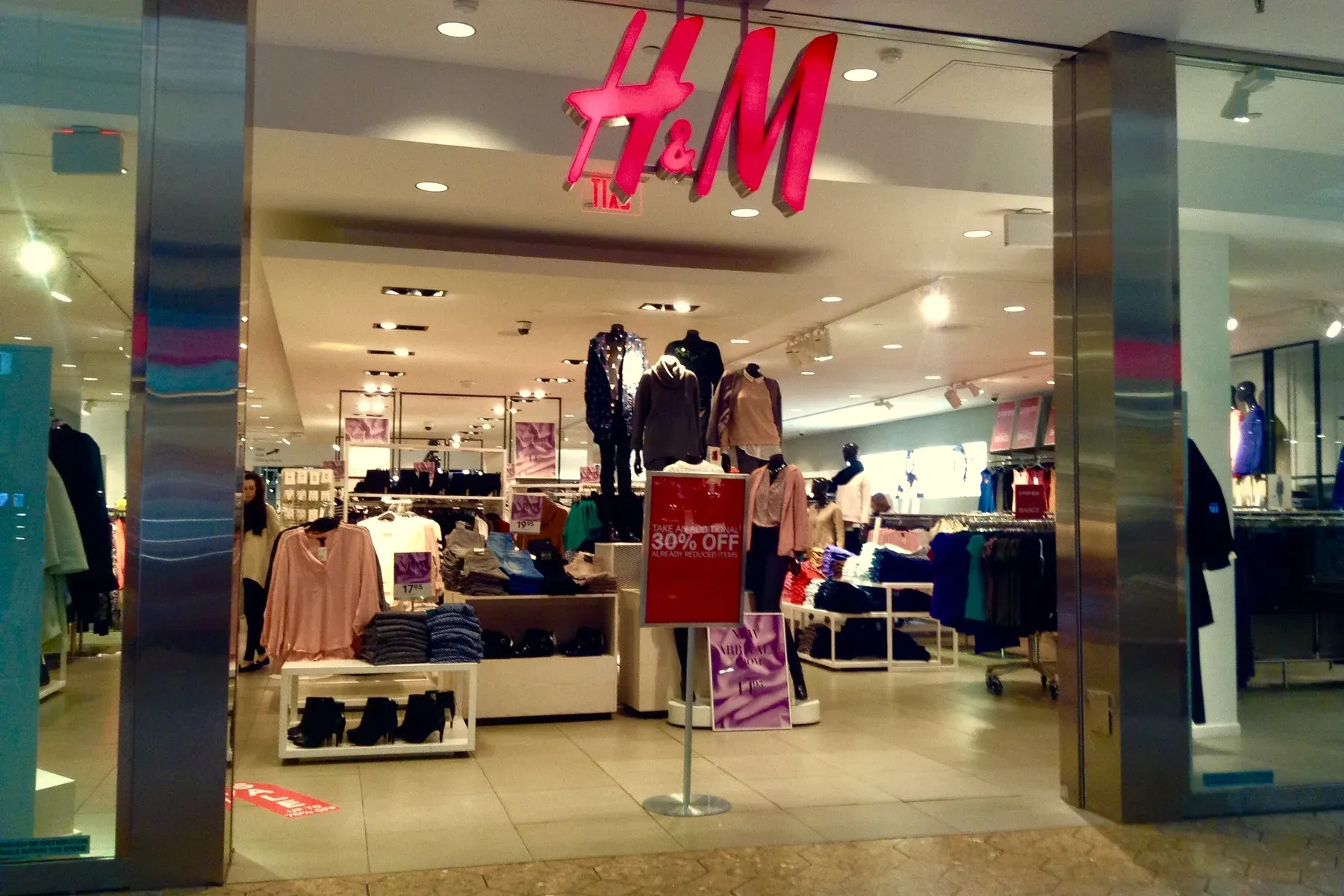
The Swedish fashion retailer H&M released its first set of images featuring AI-generated “digital twins” of real models on 2 July 2025, the company announced in its newsroom. The images show denim set against fashion capitals around the world. Earlier that year, H&M had told CNN it planned to create 30 digital twins of its models in 2025, and that the models would own the rights to them.
What H&M announced
In its newsroom post, H&M called the release part of its “exploration within generative AI.” The images were co-created with a dedicated team and came with a behind-the-scenes film. Chief creative officer Jörgen Andersson said the company was exploring generative AI to “amplify creativity,” tell stories in new ways and connect with customers, while staying true to what he called a human-centric identity.
The post also quoted the people involved. Photographer Johnny Kangasniemi called the technology “an interesting tool to add to our creative toolbox.” Model Vanessa Moody said the project was “professional, collaborative and transparent.” H&M said it would continue during the autumn with several different expressions across different cities.
The terms
H&M told CNN that the models would own the rights to their digital twin and could “potentially work for any brand and get paid on each occasion,” as on any campaign production. The company said it was still exploring how the avatars would be used, and that it was working with agencies and the models themselves on the plan.
CNN later reported that, because each model owns their twin, a model could book shoots with other brands, including H&M’s competitors. In a statement to CNN, Andersson said the company was committed to approaching AI ethically, transparently and responsibly, and acknowledged that there were many questions and concerns about it.
The criticism
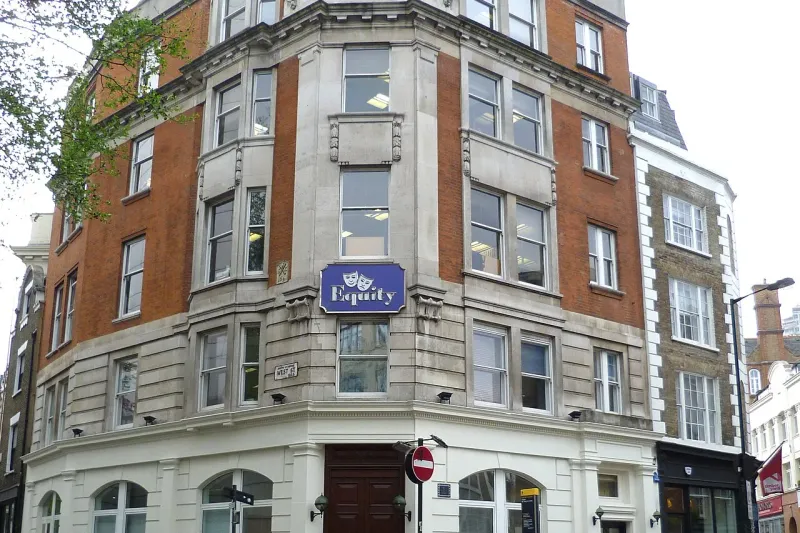
Paul W. Fleming, general secretary of the UK performers’ union Equity, welcomed the pledge to pay models for their likeness. He told CNN that it must be backed up by the “widespread adoption of AI protections in union agreements” and by laws protecting workers, of which he said few exist.
Sara Ziff, founder of the New York non-profit Model Alliance, said in a statement released by the group that she had serious concerns about digital replicas without meaningful protections, CNN reported. She said the plan raised questions about consent and compensation and could replace make-up artists, hair stylists and other creative workers.
Why it matters
Unlike a fully invented AI model, each H&M twin copies a real, named person who agreed to it. That raises the questions this case tests in public: who owns a likeness once it can be generated without a shoot, who gets paid each time it is used, and how a viewer can tell the photographed model from the generated one. H&M’s answers so far are ownership by the model and payment per use. Its own release names the images as digital twins.
Sources
- H&M Group: H&M continues its exploration of creativity with AI, 2 July 2025
- CNN (via ABC7 New York): Fashion giant H&M plans to use AI clones of its human models. Not everyone is happy, 1 April 2025
- CNN (via ABC 17 News): Your favorite model? Thanks to AI, they might not be real, 31 July 2025
This post was written with AI. Every claim was checked against the linked sources. About our AI use.

Every post on uncanny.news is written with AI. Each claim is checked against its primary source, which is linked in the post.